



How Agencies Use Weigh-In-Motion (WIM) Data for Smarter Planning
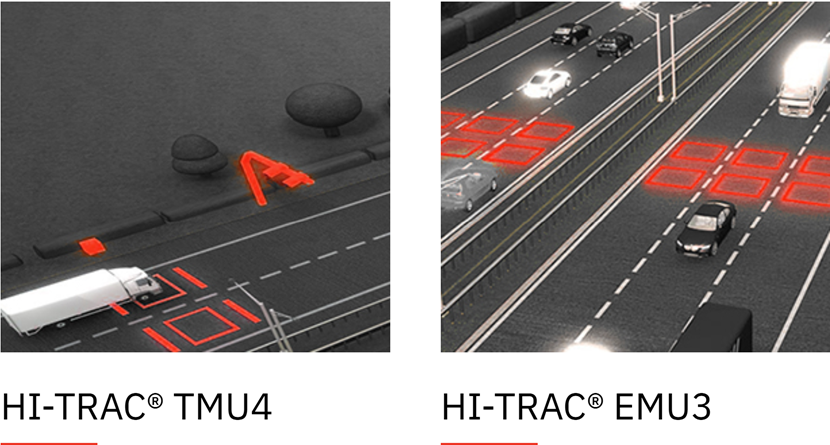
When it comes to managing roadways and protecting infrastructure, accurate data isn’t just helpful — it’s essential. One of the most valuable sources of real-time, high-fidelity data available today is Weigh-In-Motion (WIM) technology. At Roadsys, we proudly offer industry-leading WIM solutions from Q-Free, helping agencies across the U.S. make smarter, faster, and more cost-effective transportation decisions.
But how exactly are agencies using WIM data in the field? Here are some of the most impactful ways:
Prioritizing Road Maintenance and Investment
Heavy vehicles cause a disproportionate amount of wear and tear on roadways. With WIM data, agencies can pinpoint which stretches of road are experiencing the heaviest vehicle loads — both in frequency and weight — and use that information to:
- Prioritize maintenance budgets more effectively.
- Extend the life of pavement by addressing overuse early.
- Identify emerging trends that could indicate future infrastructure stress.
This proactive approach helps agencies shift from reactive repairs to predictive maintenance, saving time and public dollars.
Improving Bridge Safety and Asset Management
Bridges are among the most vulnerable and costly assets in any transportation network. With Q-Free’s WIM systems, agencies can continuously monitor the loads traveling over specific bridges, gaining insights into:
- Cumulative fatigue on bridge structures.
- Risk of overloads that may not be caught by static weigh stations.
- Data-driven justification for rehabilitation or reinforcement projects.
By embedding WIM into bridge planning and asset management strategies, agencies can protect critical infrastructure and extend service life while staying compliant with national safety standards.
Informing Freight and Corridor Planning
Freight traffic is growing — and so is the need to manage it effectively. WIM data provides detailed insight into freight patterns, axle loads, and vehicle classes, enabling agencies to:
- Design more resilient freight corridors.
- Reduce congestion by optimizing routing.
- Plan infrastructure improvements that align with actual usage, not assumptions.
This data is especially useful when collaborating with MPOs, state partners, or private sector stakeholders who depend on reliable freight mobility.
Supporting Enforcement and Policy Decisions
While Q-Free’s WIM is primarily used for planning and data collection, it can also flag potential overweight vehicles for secondary screening. This supports:
- Enforcement strategies that are data-backed and targeted.
- Policy development based on actual roadway stress rather than estimates.
- Tolling and cost recovery models that account for damage caused by heavy vehicles.
It gives transportation agencies the leverage they need to craft smarter, more equitable policies.
Enhancing Sustainability and Long-Term Planning
By enabling more efficient planning, WIM data helps agencies meet broader goals, such as:
- Reducing carbon emissions through optimized routes.
- Designing roads that last longer, reducing construction-related impacts.
- Implementing smart infrastructure solutions that align with climate resilience goals.
Smarter planning isn’t just about today’s traffic — it’s about building for the next generation.
Partner with Roadsys for Smart Infrastructure Solutions
At Roadsys, we bring more than three decades of experience in delivering traffic data solutions that solve real-world problems. By integrating Q-Free’s Weigh-In-Motion systems into your operations, you get more than accurate weight data — you get a strategic tool that supports planning, budgeting, and sustainable growth.
Contact us today to learn how Roadsys can help you implement WIM technology to power your agency’s long-term transportation goals.
Call: 844-762-3797
Email sales@roadsys.com Visit: www.roadsys.com

 Download PDF